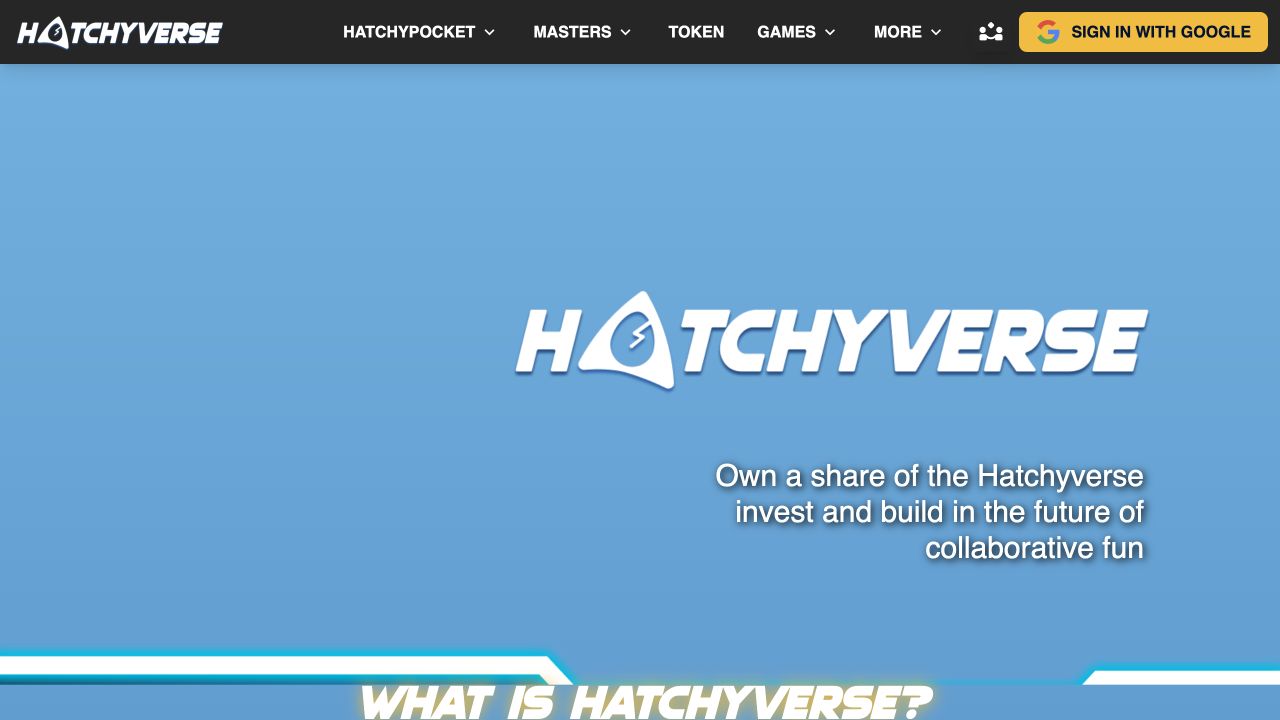
The consumer platform I led as Creative & Technical Director. I hired and
ran the cross-disciplinary design, engineering and operations team, and owned
architecture for the public product API — Node/TypeScript with
TSOA-generated OpenAPI and C# clients, PostgreSQL, Firebase Auth, and PDF and
image pipelines. Took it from concept to live users and a top-150 category
placing.
Years later I'm still the engineer on it, and the AWS bill had outgrown the
product. Rather than guess at a replacement, I ran the same platform on three
different architectures and kept all three live so the trade-offs are
measurable rather than theoretical: the original always-on backend, a
serverless line on Vercel, and an experimental peer-seeded build where the
site is distributed across seeding nodes instead of served from one origin.
Cost, cold-start behaviour, and failure modes differ sharply between them.
The hard part was never the hosting. It was carrying real accounts across
without dropping them — existing Google and wallet-linked identities had
to survive every move — which meant a parity verification pass surface by
surface before each cutover. I also rebuilt sign-in as a progressive ladder and
closed session-revocation gaps server-side, so signing out actually ends the
session.
- Node · TypeScript
- Next.js
- TSOA · OpenAPI
- PostgreSQL
- serverless vs always-on
- peer-to-peer distribution
- auth hardening
- parity testing
Working without a colleague to review me, the review has to come from
somewhere — so it is automated. Nothing lands without passing lint,
typecheck, unit and end-to-end gates, and architecture decisions go through a
multi-model adversarial review before they ship. I treat model output as
untrusted input: typed interfaces, evidence-gated verification, and a live
end-to-end proof against a running system rather than a passing mock. The
valuable part is the gate, not the tooling around it.
- typed/structured outputs
- eval & gate loops
- MCP servers
- knowledge-graph impact analysis
A Rust-first, owner-controlled stack for identity, private collaboration,
governance and signed publishing — built around one honest test: create
an identity, run a community, publish a signed site, lose every device you
own, and recover from independent holders. The completion board grades itself
publicly and it is not graded generously; I'd rather ship a release that
reports an F against its own contract than one that quietly
claims a pass. Tauri desktop and Android clients, libp2p discovery, signed
bootstrap manifests, release-time security gating.
- Rust
- Tauri
- libp2p
- signed manifests
- release gating
picoRMM — multi-tenant monitoring
Go gRPC agents on customer endpoints stream telemetry through NATS JetStream
into a FastAPI control plane on TimescaleDB. An analysis engine returns typed
root-cause objects, and a per-tenant policy engine decides which proposed
action is allowed to execute, logging every decision for audit. Hardened with
refresh-token replay defence, MFA enrolment and rate limiting. The model gets
to suggest; the policy engine gets to decide.